














Tingambato
Archeological site
Tingambato
Settlement prior to the peak of the Tarasco domain, much influenced by Teotihuacan. Large platforms, ball court, numerous chambers and tombs with rich offerings portray the life of this town. Located between Pátzcuaro and Uruapan, there is still much to be discovered.
This important site is also known as Tinganio, which means “place where the fire begins” in Purépecha. It is one of the representative sites of the period prior to the height of Tarascan dominion, having some features clearly from Teotihuacan mixed with other local traditions.
There are few references to this area. Only one mention has been found in a Michoacán newspaper on the finding of a tomb in 1842. Archeologists Román Piña Chan and Kuniaki Ohi performed most of the archeological excavations and restorations that can be visited today from 1978 to 1979. Only a small part of the site, corresponding to the settlement’s religious and residential area, has been explored to date.
Investigations performed at Tingambato have allowed us to discover a little-known period in Michoacán’s history. This was a period of great change throughout Mesoamerica after the fall of Teotihuacan, prior to the large settlements founded by the Tarascans or Purépecha towards the end of the pre-Hispanic period.
We can clearly define two stages in the zone’s history. The first begins in 450 AD, when establishment of this ceremonial center begins. The settlement was inhabited by groups possessing a productive food economy, essentially based on farming and complemented by hunting and fishing. In this phase, its builders leveled the terrain to form an artificial platform on which they constructed the bases for temples, as well as certain buildings of a civic nature for the ruling class, together with numerous huts for the rest of the population. The second stage was from 600 to 900 AD, in which the influence of Teotihuacan is obvious. To explain the presence of features from the great metropolis, it is necessary to give a brief summary of its culture.
Referring to the culture of Teotihuacan implies a watershed in the Mesoamerican area. This was the period in which the first great metropolis appeared in the region. Teotihuacan was at its height from 100 to 575 AD, and it led the way for artistic, architectural and religious expression. This society was ruled by a theocracy that held a great deal of influence over many Mesoamerican settlements for more than 500 years. It also became the first great multi-ethnic city in Mesoamerica, where we now know there were neighbourhoods for people from different regions, including Michoacán.
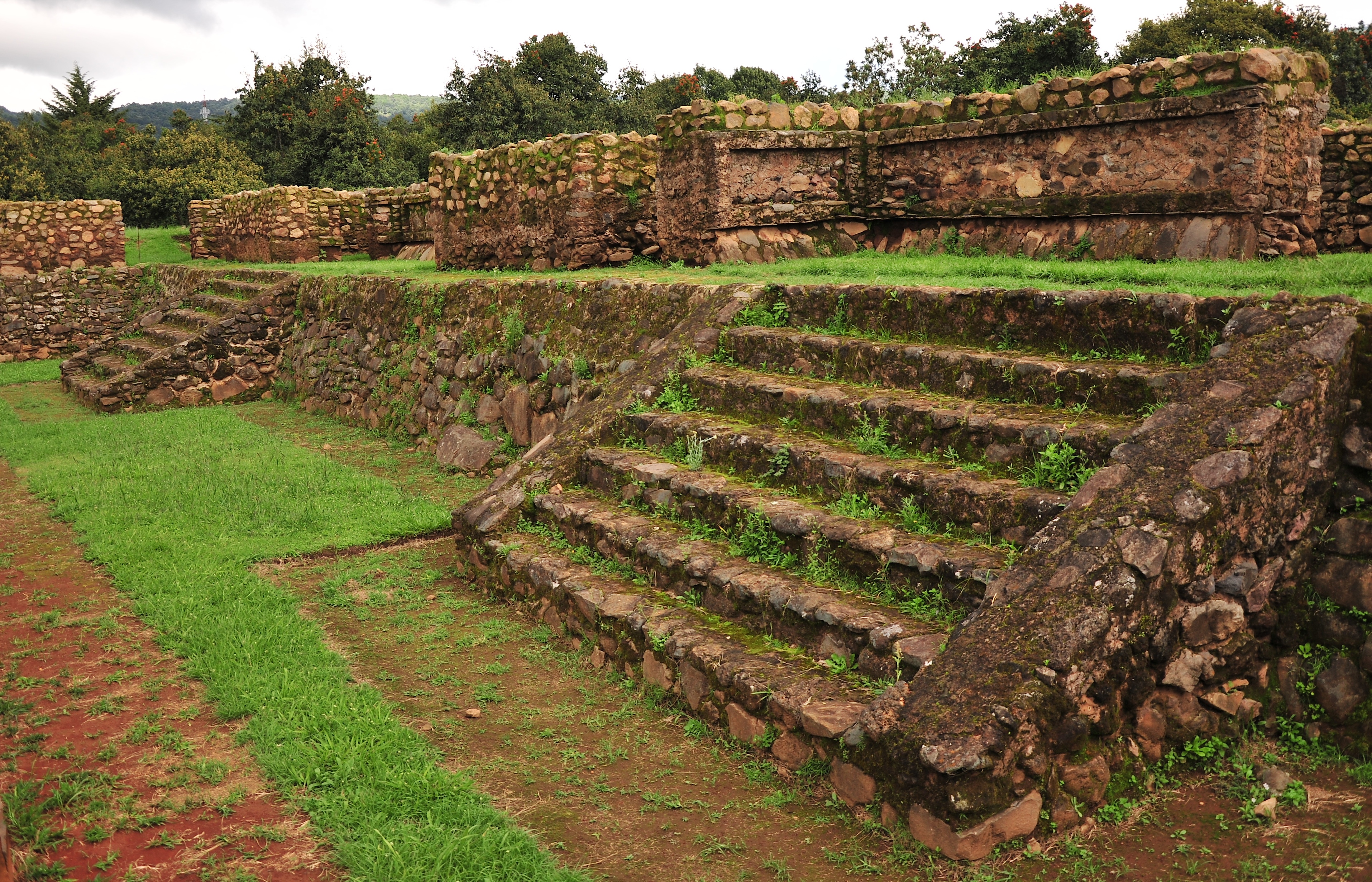
After its collapse (in approximately 575 AD), Teotihuacan fell apart. However, it appears that people scattered far and wide from this great city, leading to some of its architectural elements beginning to appear in places a great distance from Teotihuacan. Such is the case for Tingambato. We can confirm Teotihuacan’s influence because rooms are located around sunken plazas, there were altars in the ceremonial center and we observe the characteristic talud-tablero or slope-panel feature (a backwards-sloping wall and a vertical wall) which is one of Teotihuacan’s significant architectural elements. The similarity of Tingambato’s Mesoamerican ballgame court to those of Tula and Xochicalco reinforces the theory that this settlement appeared after the fall of Teotihuacan, as these three sites flourished after the great city’s decline. It is very important to mention Tingambato’s funerary architecture, which harks back to an ancient tradition in Michoacán of burying certain dignitaries in impressive chambered tombs with vaulted ceilings.
Tingambato was definitively abandoned in approximately 900 AD. It displays none of the elements that would relate it to the late phases of Tarascan dominion. We believe that there was a conflagration at the end of Tingambato’s occupation, traces of which have been observed in archeological excavations.
El sector ceremonial
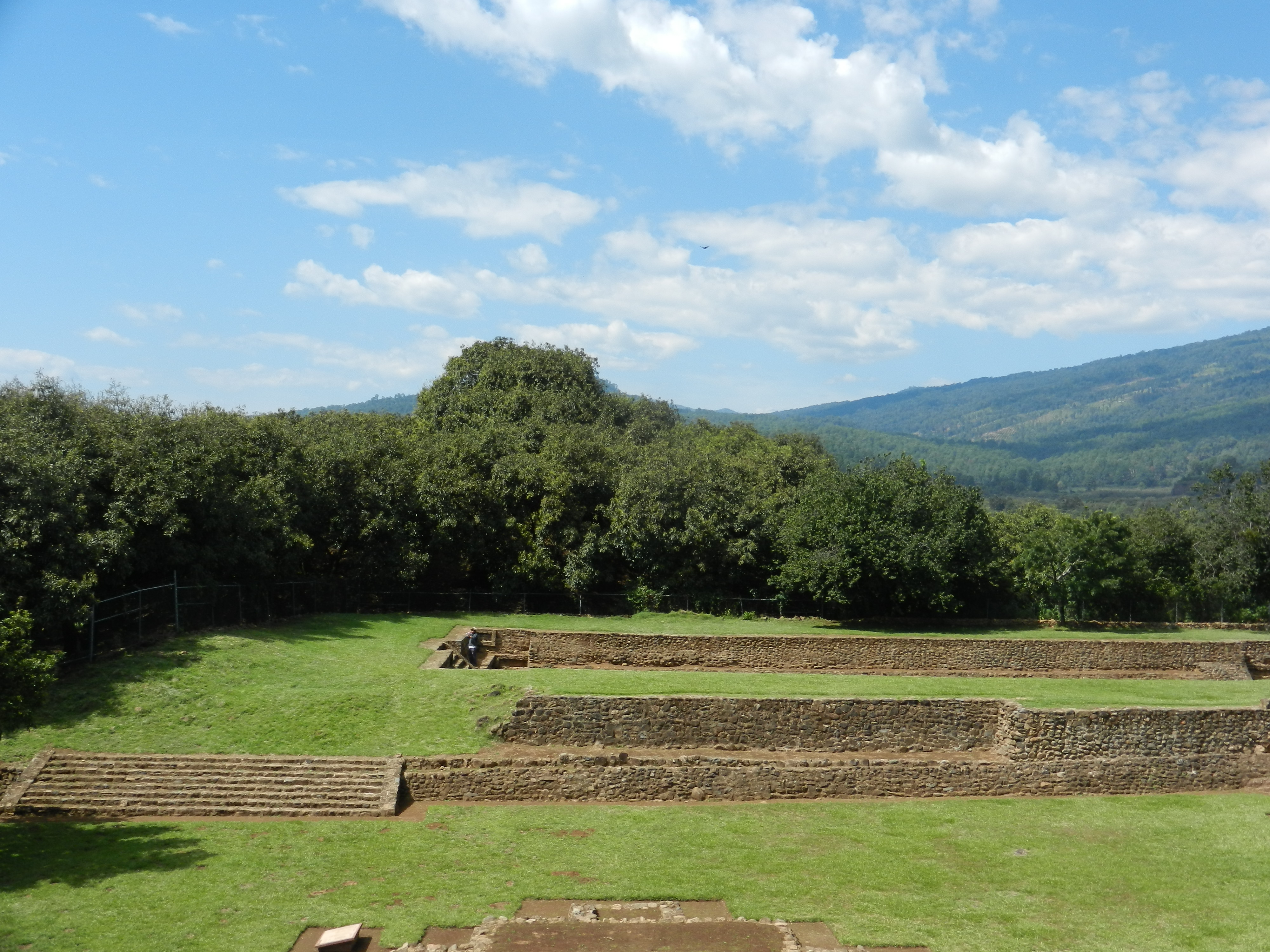
Western Structure: This is the largest foundation at Tingambato, which has not yet been explored. During the first stage of construction of the site, the largest leveling terraces were built. Thus, the two mounds of the archaeological zone were erected on the same level, to which other elements…
El sector ceremonial
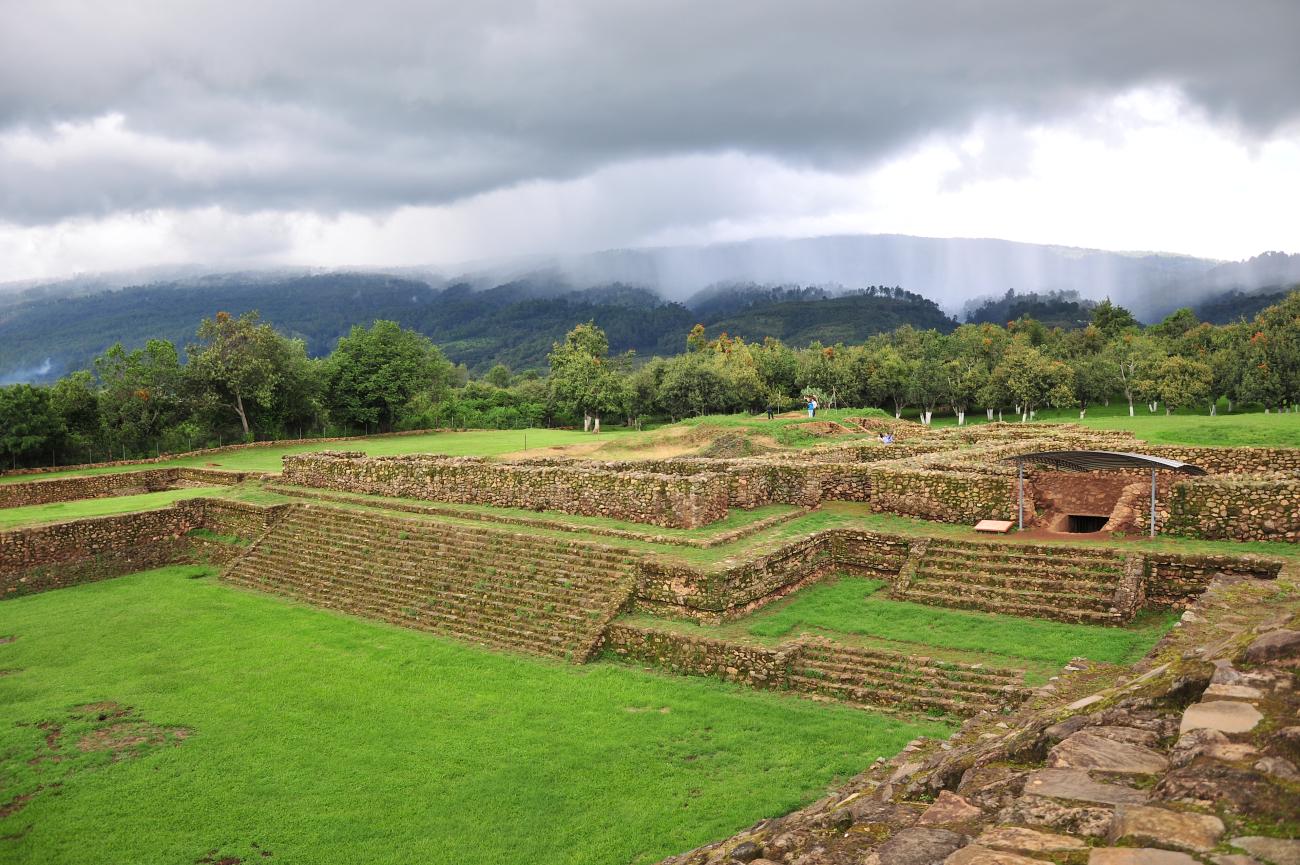
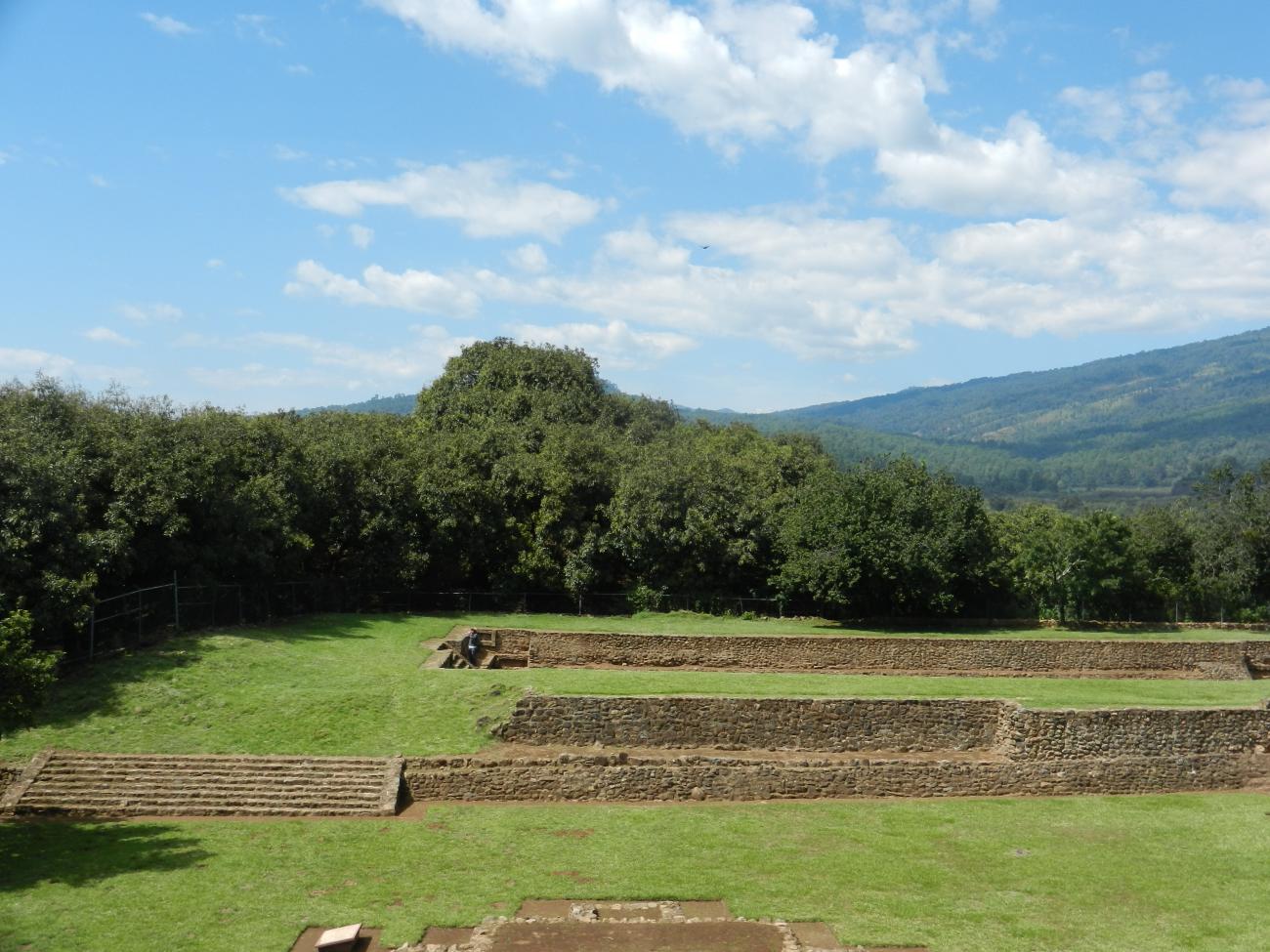

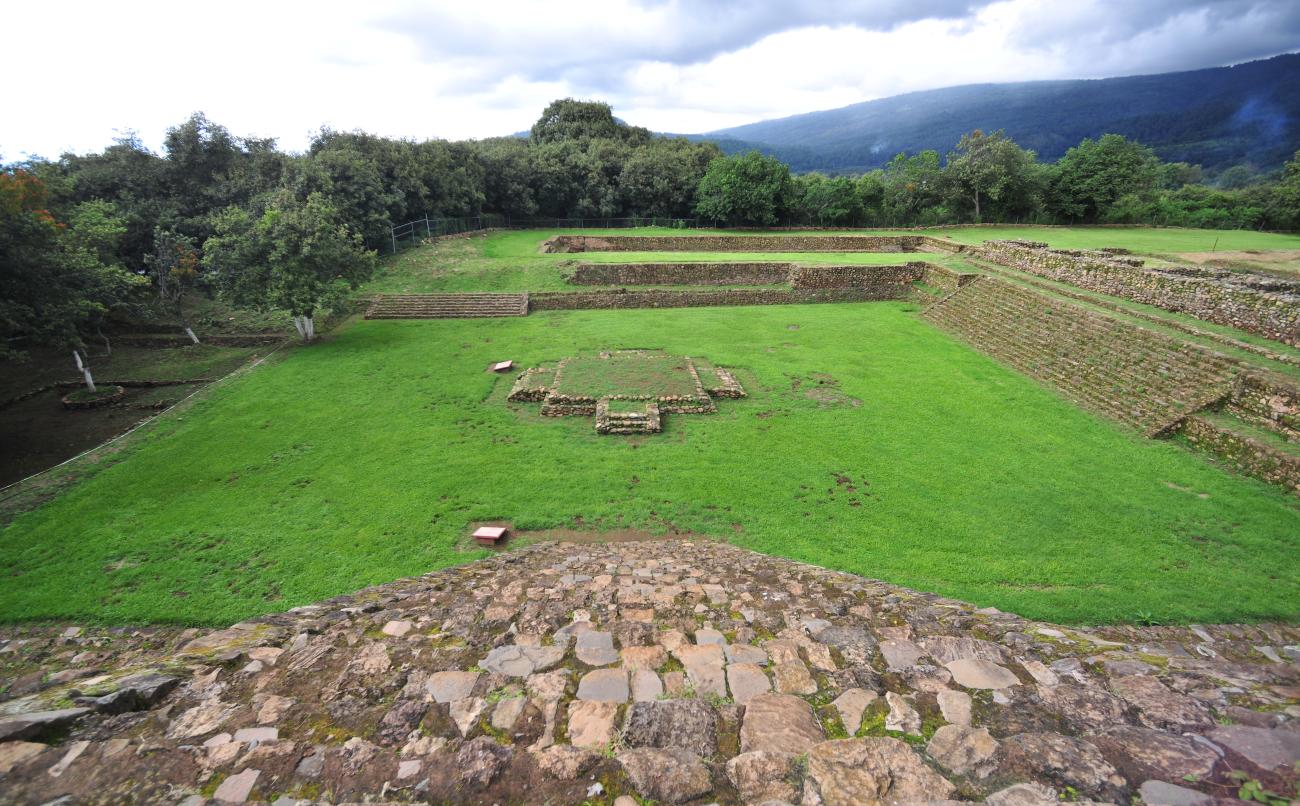

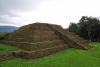
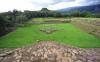
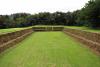
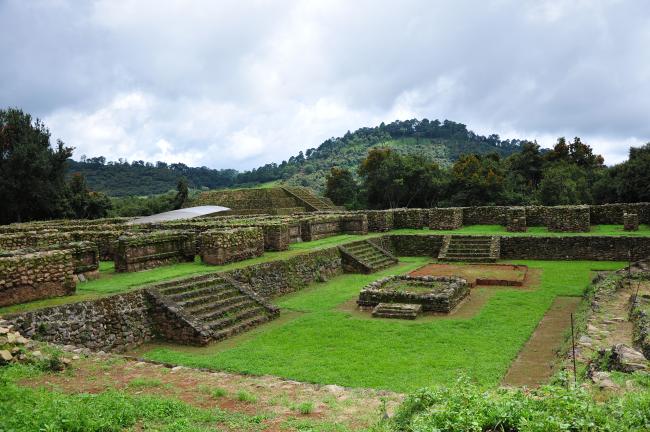
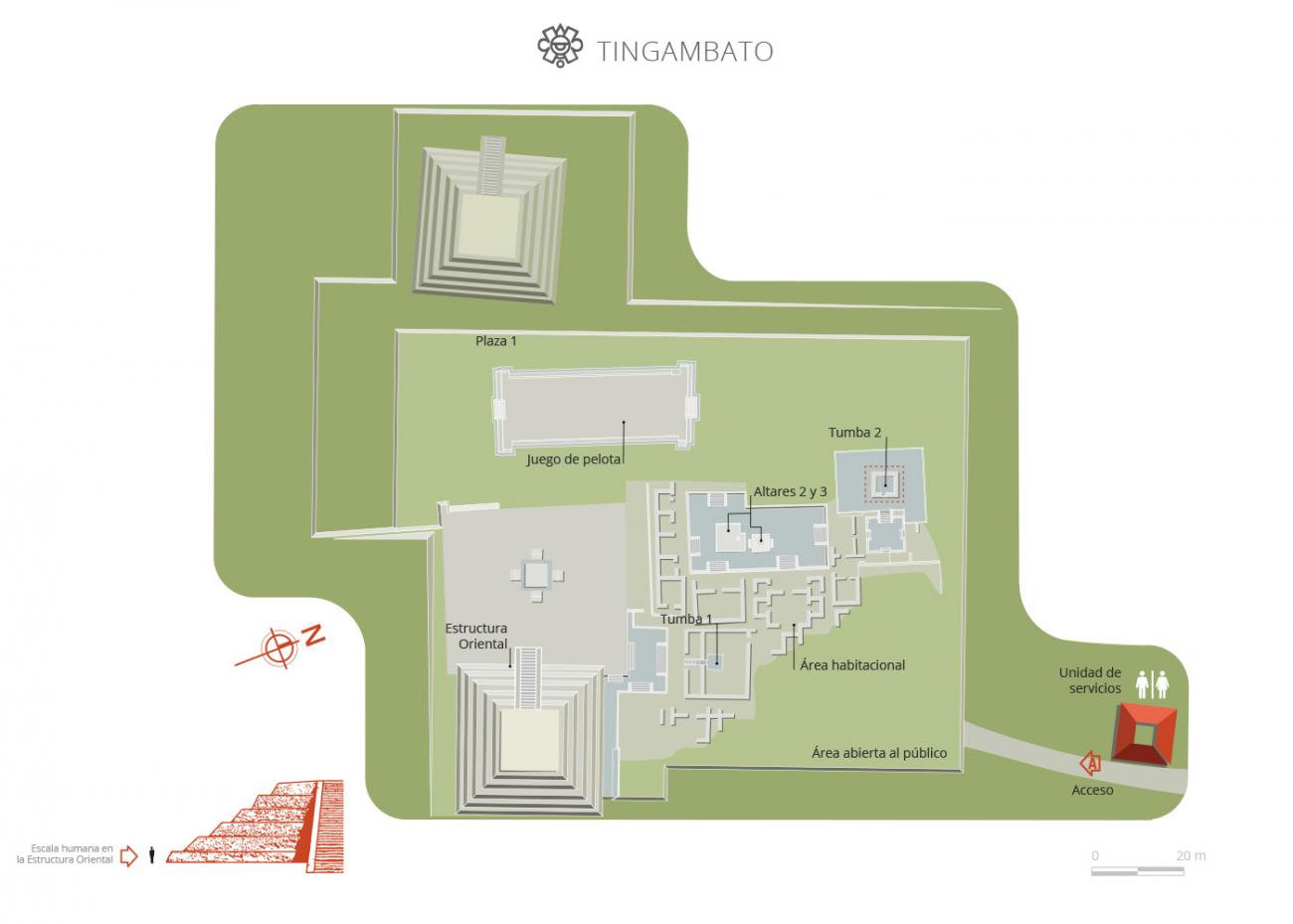
Western Structure: This is the largest foundation at Tingambato, which has not yet been explored. During the first stage of construction of the site, the largest leveling terraces were built. Thus, the two mounds of the archaeological zone were erected on the same level, to which other elements were added over time, such as wide platforms and finally the Ball Game court, with which this ritual space acquired its current form. From the first exploration works, in the seventies of the XX century, it was evident that the Western Structure had been looted and destroyed a good part of its northern flank. Another important characteristic is that the stairways of the basement are on the west side, the same as the East Structure.
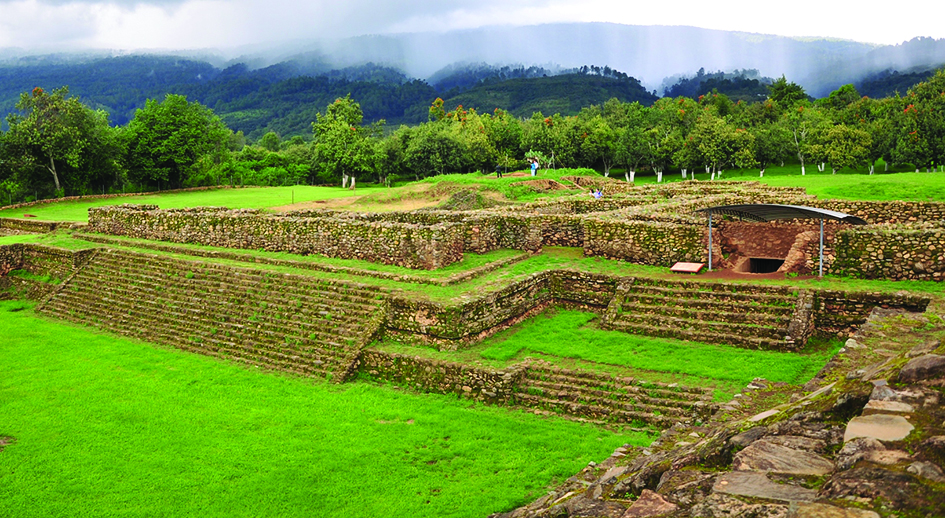
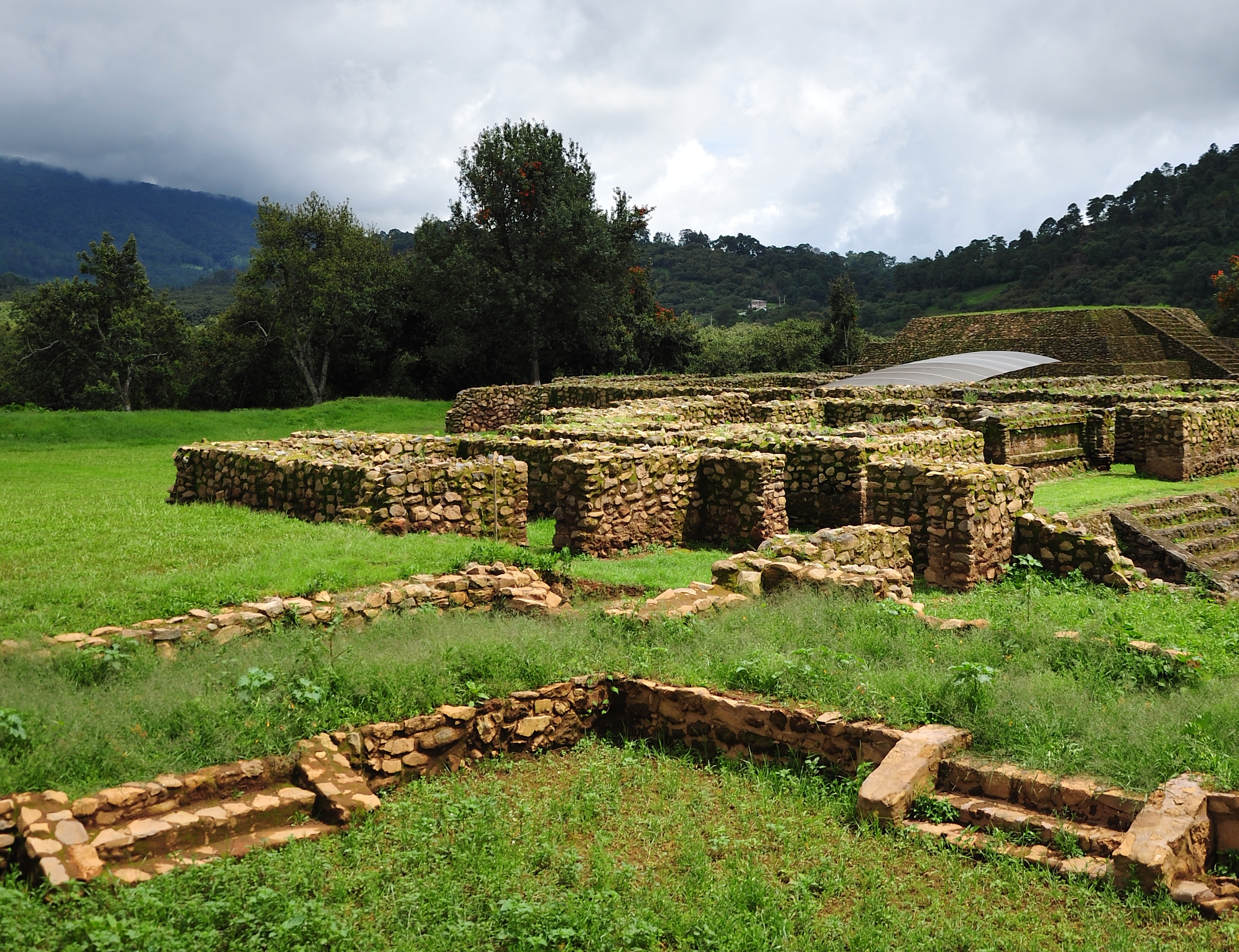
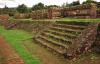
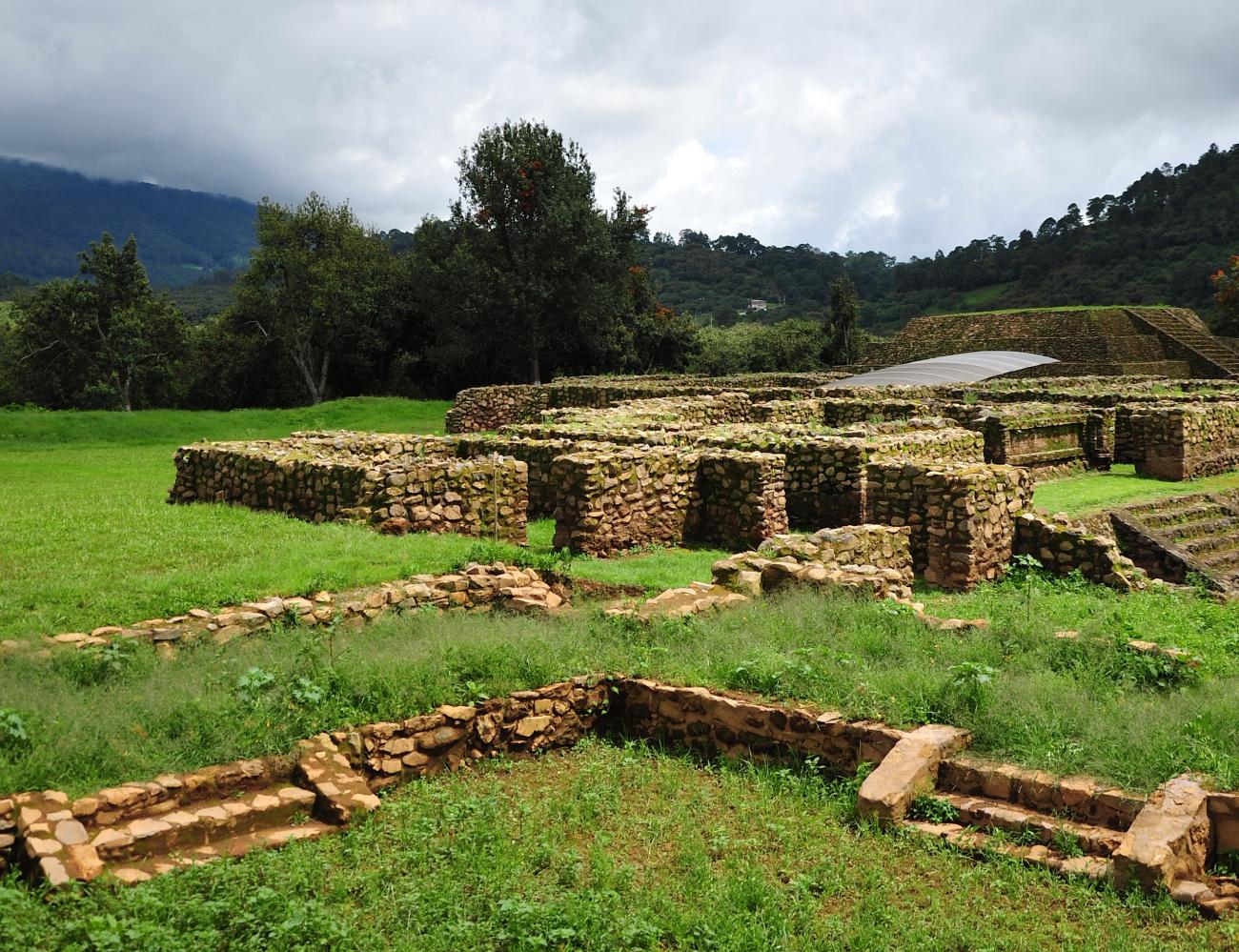
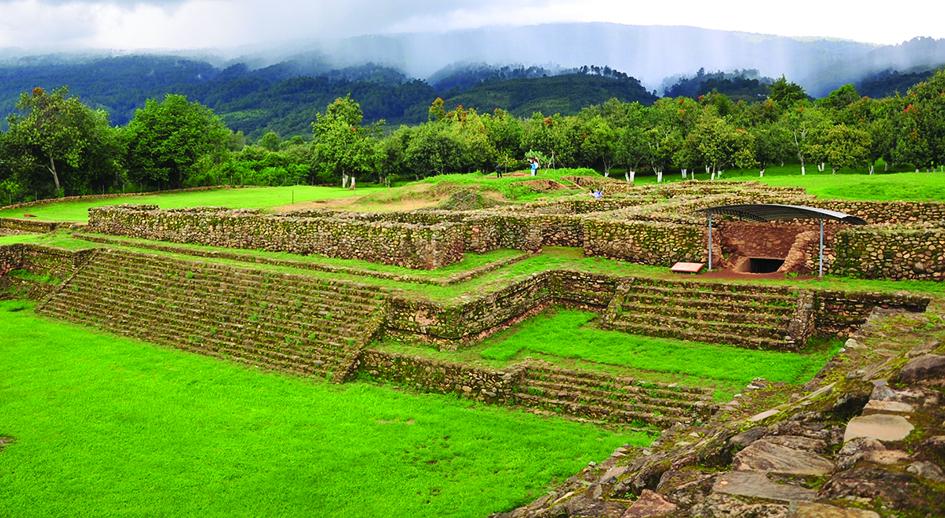
Eastern Structure: It is the smaller of the two basements at Tingambato. It is part of the ceremonial area of the site, together with the Western Structure, Plaza 1 and the Ball Court. Totally liberated and restored, it is composed of six bodies in slope (walls with the superior part inclined toward back); it has quadrangular plant; it measures in its base 34 m per side and it reaches an approximate height of 8 m. It has a stairway that protrudes from the building 5.5 m wide, with alfardas (lateral reinforcements of the stairways) without a top and 36 steps in the center of the west face. This foundation was built with a core of earth and stones, on top of which were placed rough stone walls and, finally, the walls in the form of a slope, which were possibly covered with a layer of earth.
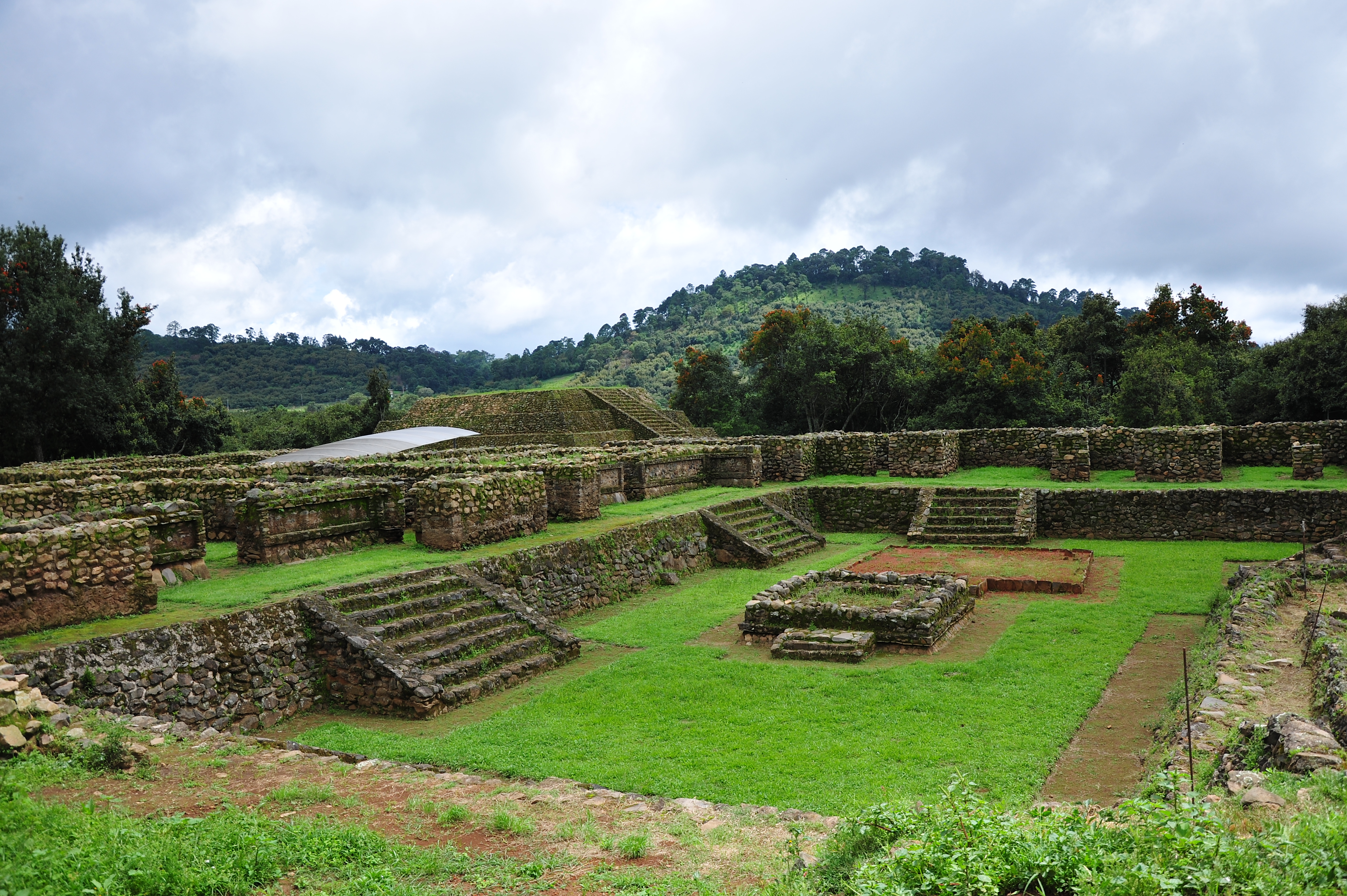
Plaza 1 and Altar 1: Its level corresponds to the beginning of the first body of the Eastern Structure. It borders to the south with an uneven plaza, to the west with the platform of the Ballgame, to the north with the access stairway to the Great Platform of the civil area and to the east with the Eastern Structure. In the south area, some stairways give access to another plaza or patio (still unexplored); in the west, another stairway flanked by alfardas, which seems to have been cancelled in the second phase, reaches the first phase of construction of the platform of the Ballgame. To the north, another large one ascends to the Great Platform, and there is a stairway, tucked in and corresponding to the first moment of construction of the Great Platform.
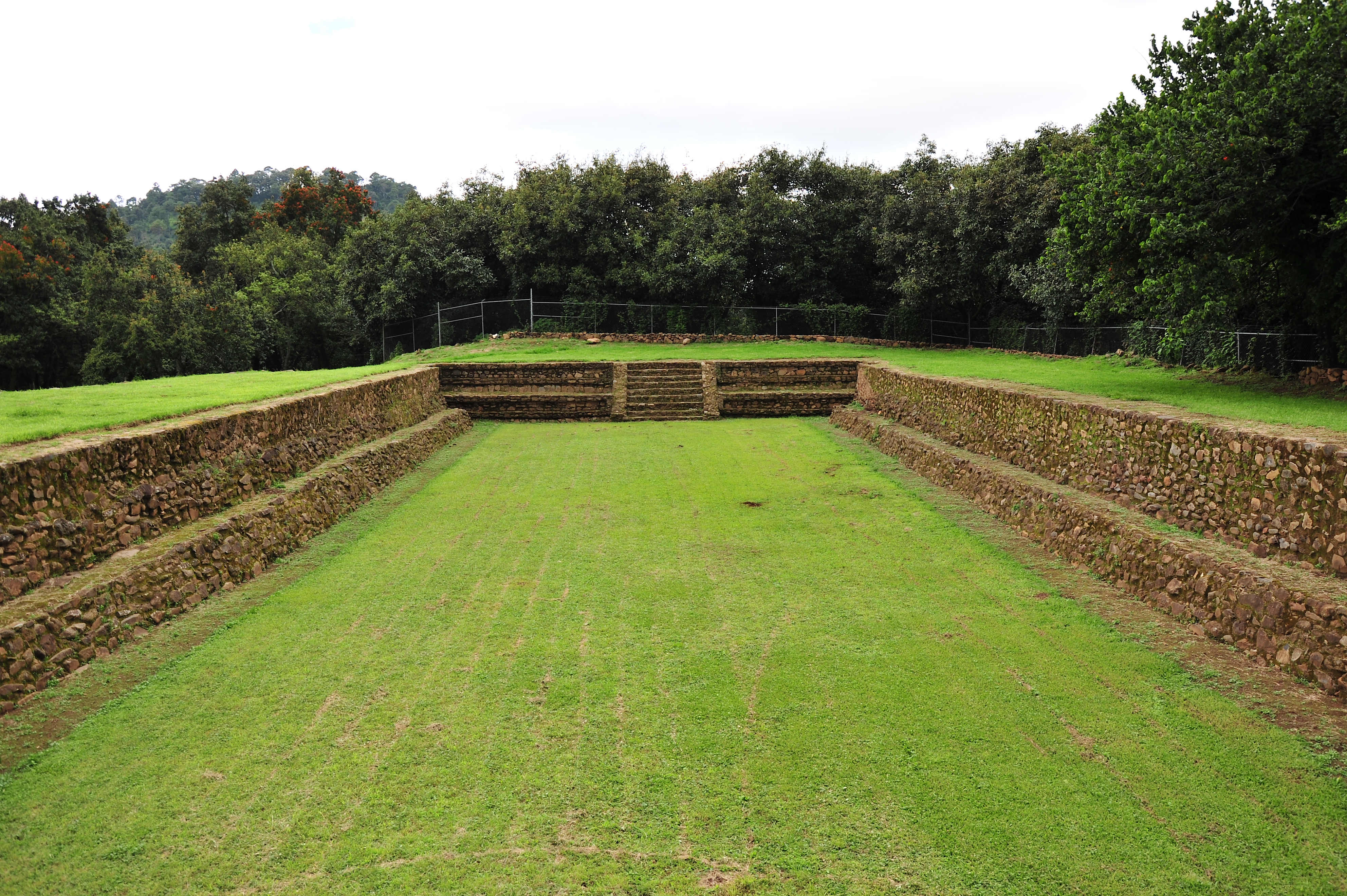
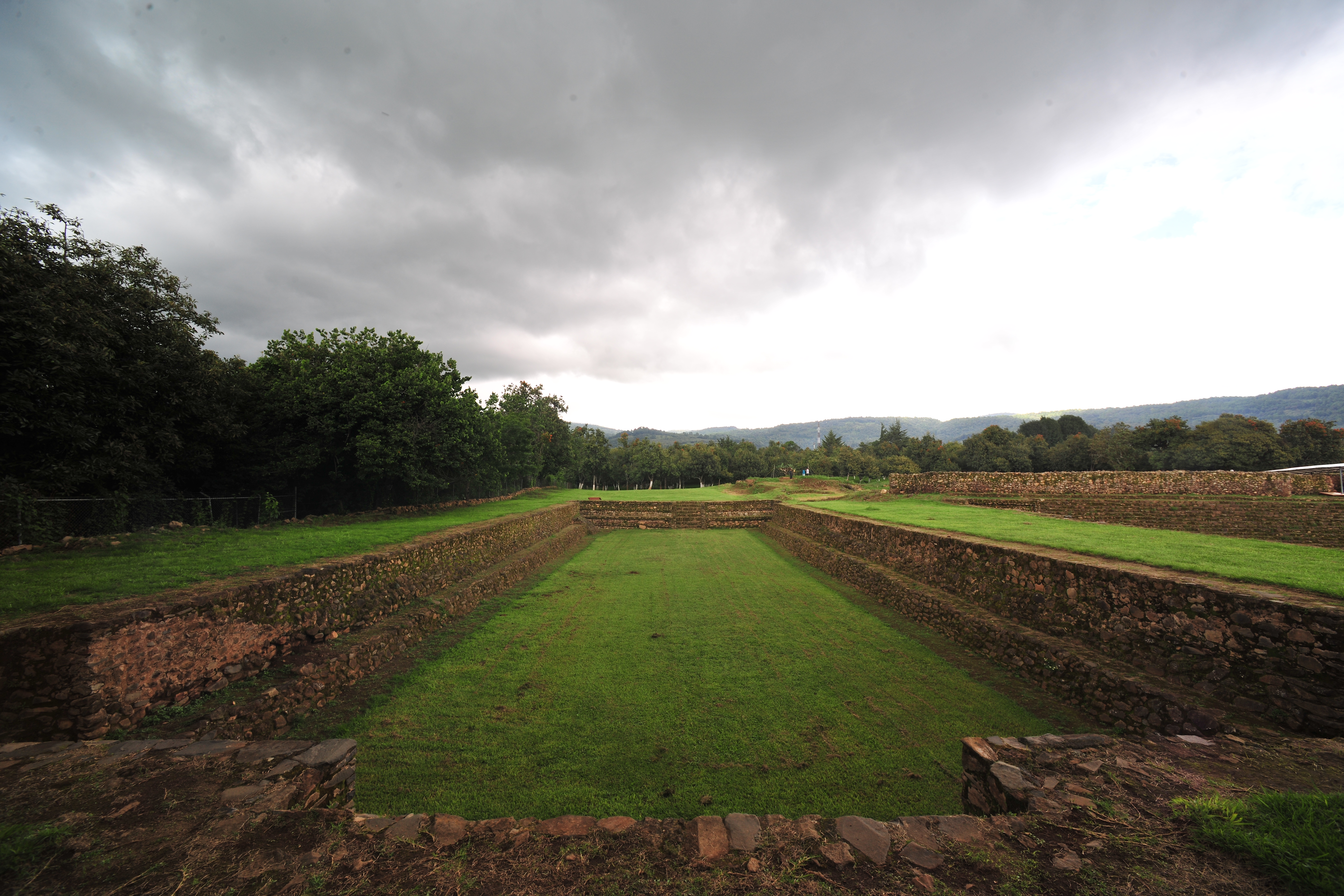
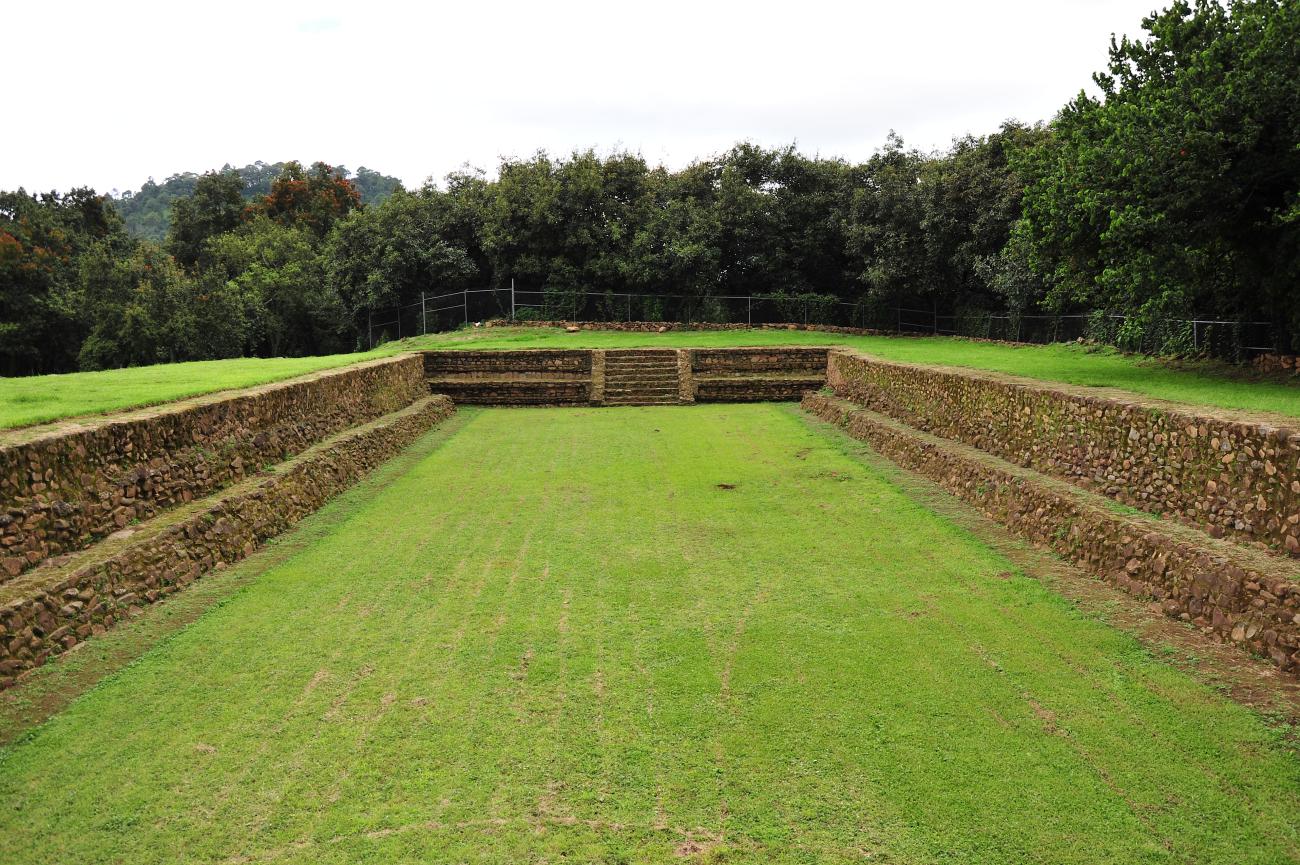
Ball Court: The ball court was built inside a platform between the two largest basements of the site. It has an I-shape oriented north-south. The central corridor or court is limited by benches with sloping walls, which end vertically. The heads are very small and were constructed by means of two bodies of talud tablero. Two staircases limited by alfardas can be observed to descend to the court. In the north head there is a small stairway that starts from the first body and allows access to the civilian area. From the floor of the court to the top of the platform there is a 2.4 m drop. Inside the court, the ring of the scoreboard of the game was found, which is adorned with a star of seven peaks; two very coarse stone sculptures of cylindrical form were also found. The shape of the court and its construction in the center of a platform bear a certain similarity to the ball game located in the archaeological zone of Monte Albán, in the state of Oaxaca.

La Gran Plataforma o Plataforma Principal
Altars 2 and 3: Delimited by slabs placed vertically, to the center of the patio is the Altar 3, of quadrangular plant and built with the system of slope and board, it has two stairways to the north and south; apparently it had two bodies although only the first one is conserved. To the south of…
La Gran Plataforma o Plataforma Principal
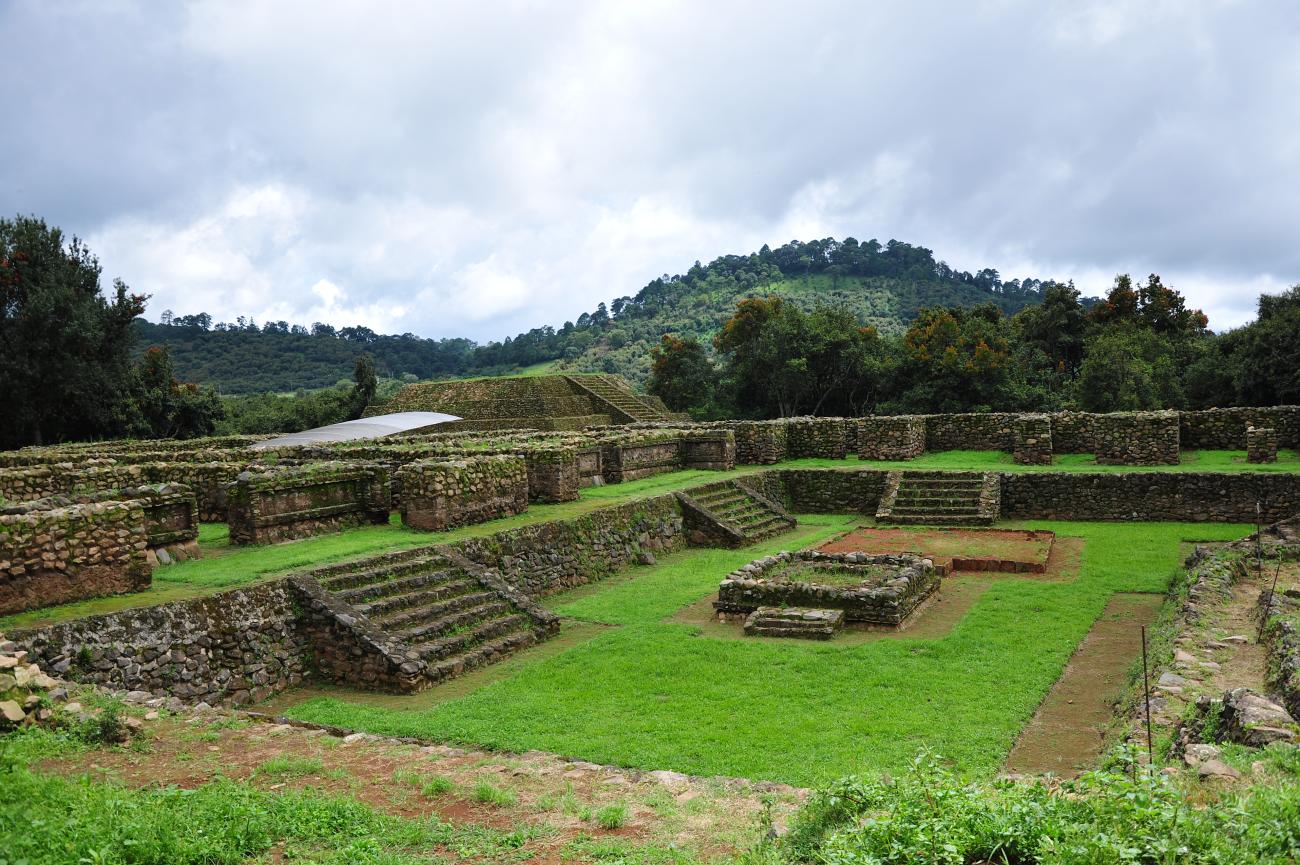
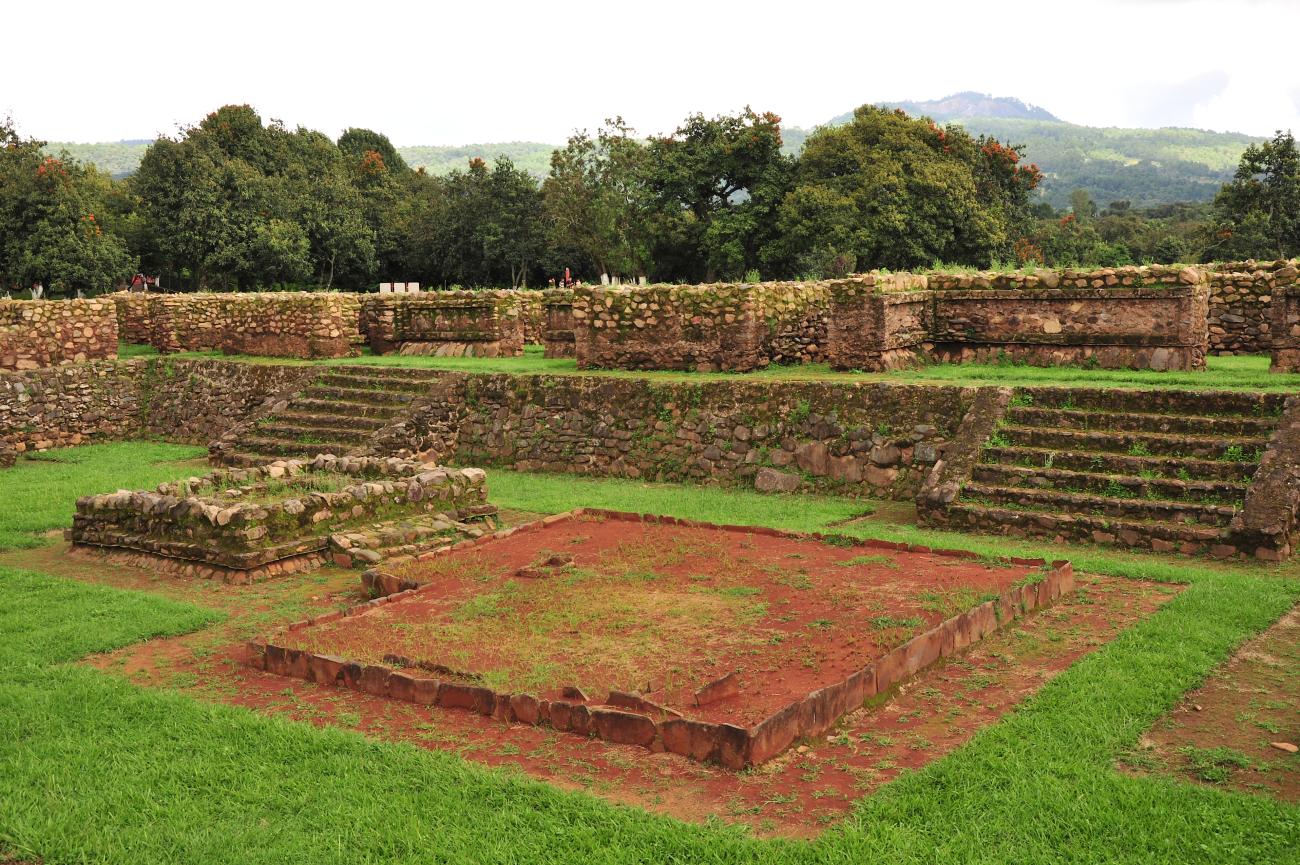
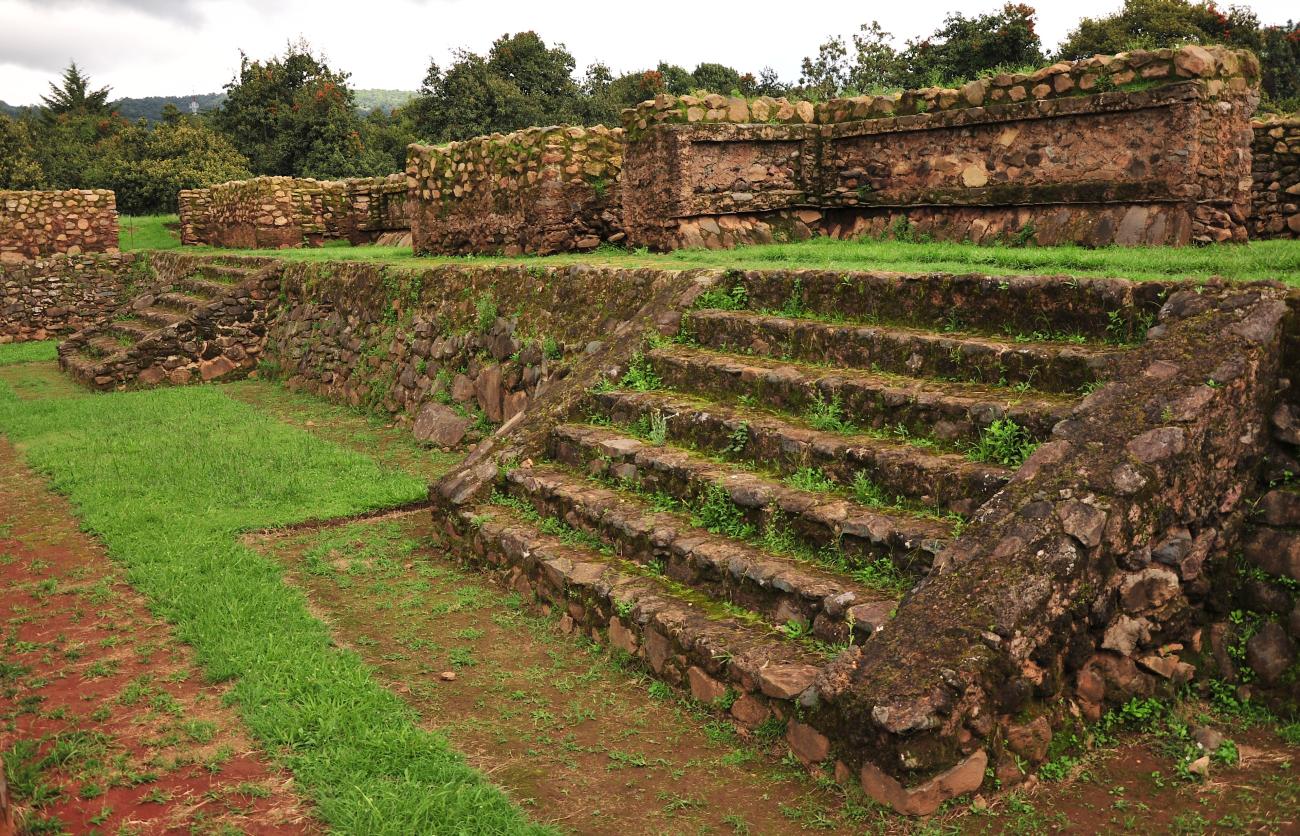

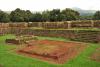
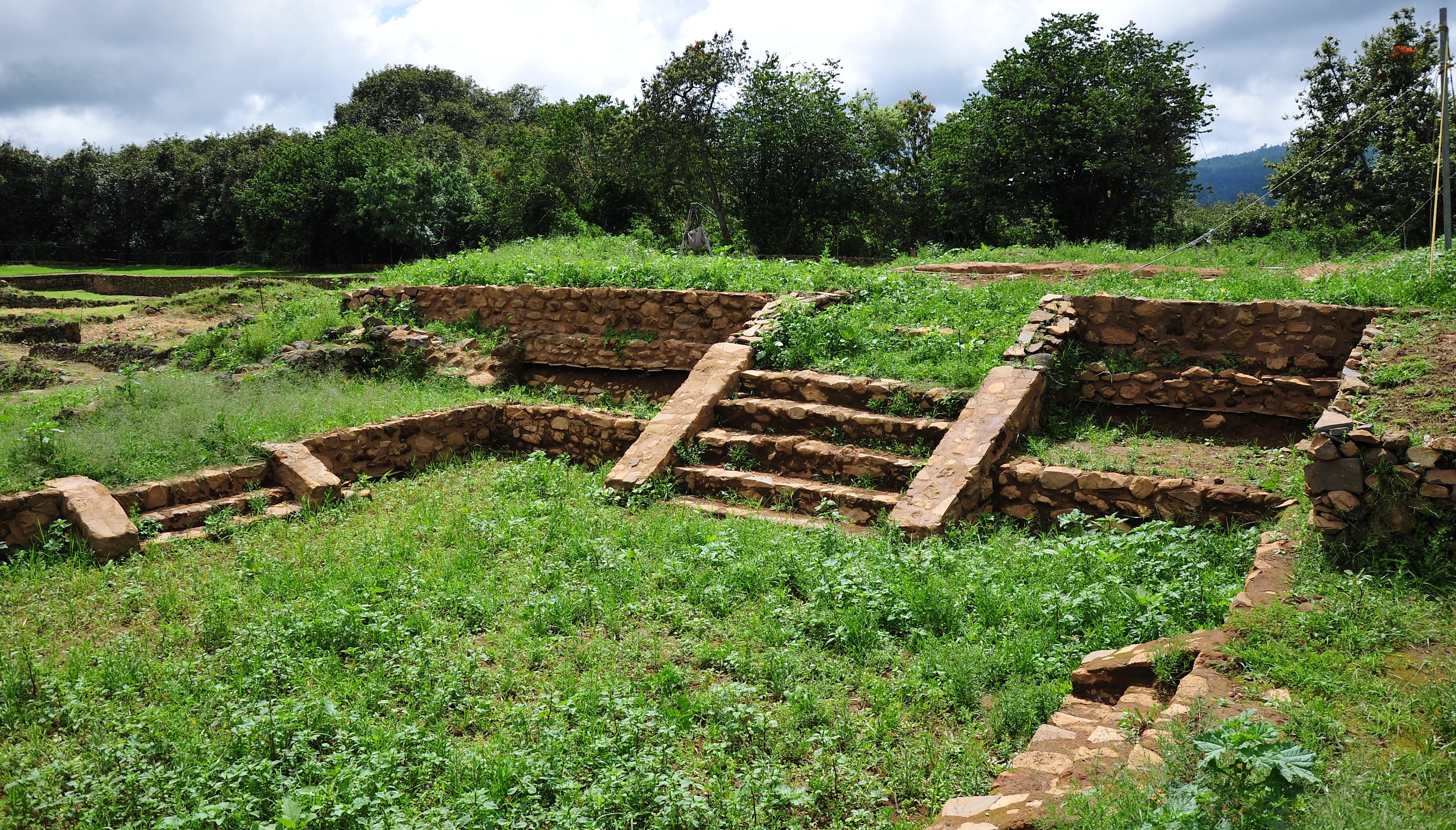
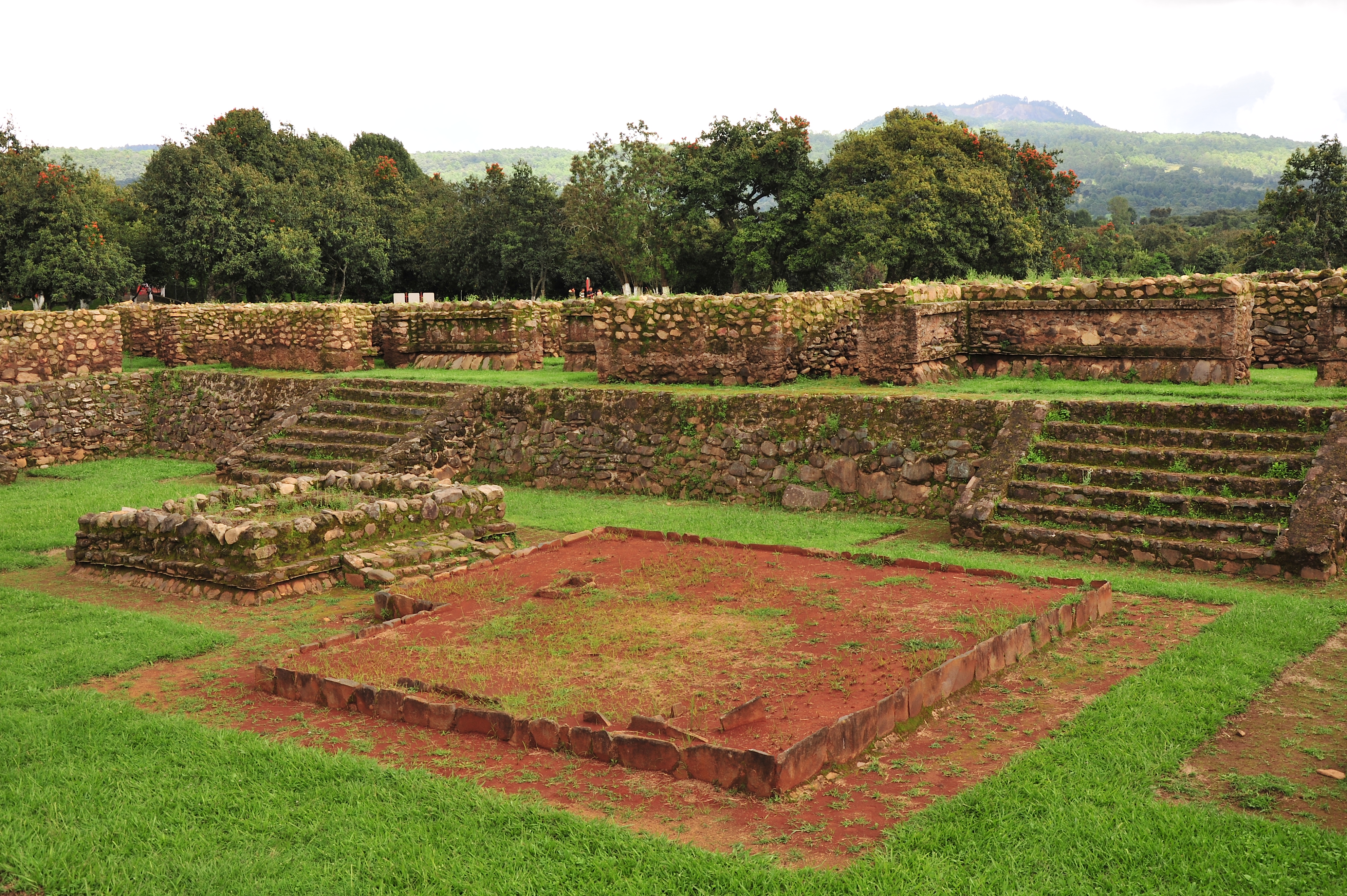
Altars 2 and 3: Delimited by slabs placed vertically, to the center of the patio is the Altar 3, of quadrangular plant and built with the system of slope and board, it has two stairways to the north and south; apparently it had two bodies although only the first one is conserved. To the south of the patio is the Altar 2. This is a stone structure of rectangular form and filled with a type of reddish earth of the region denominated “charanda”.
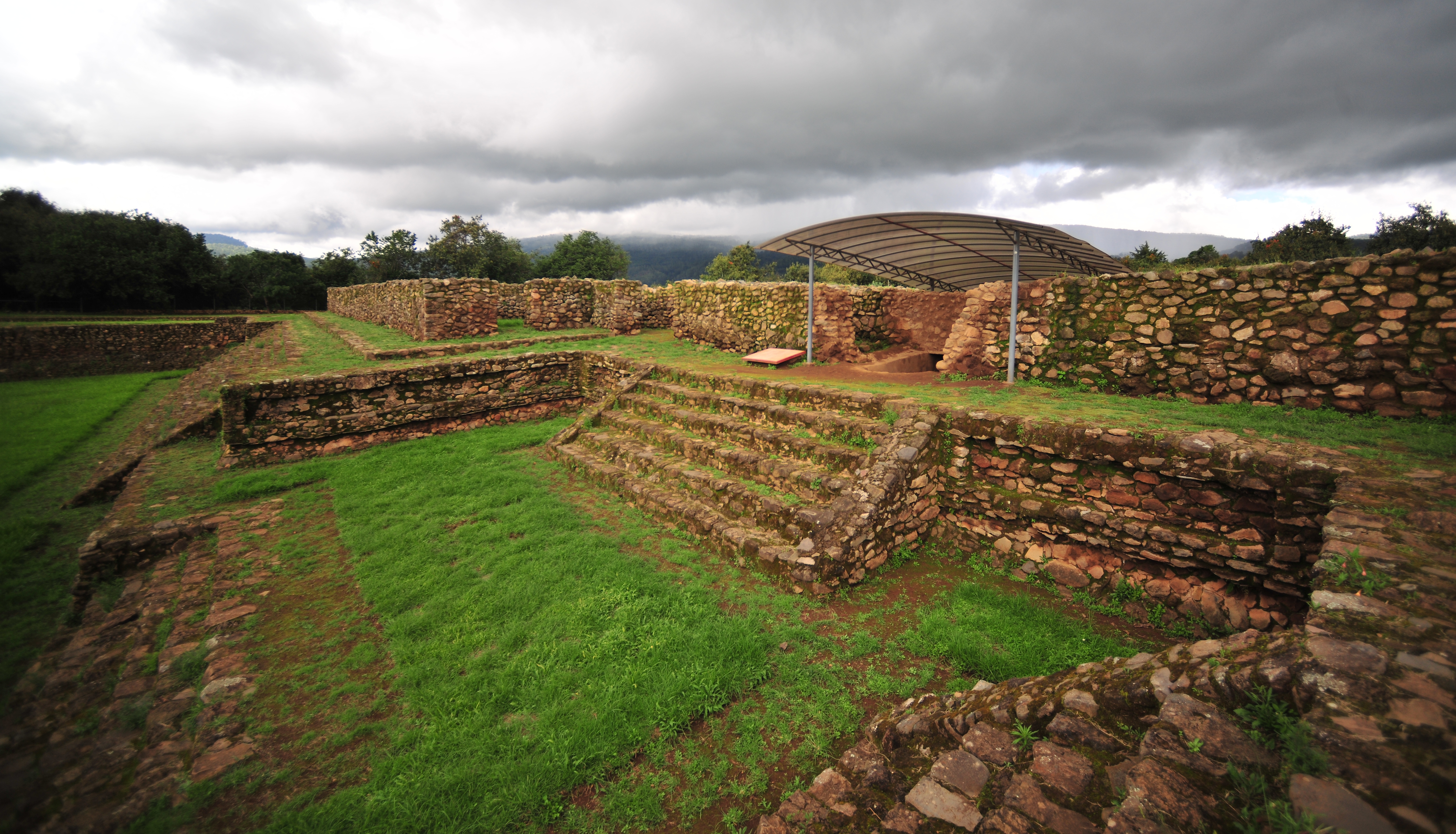
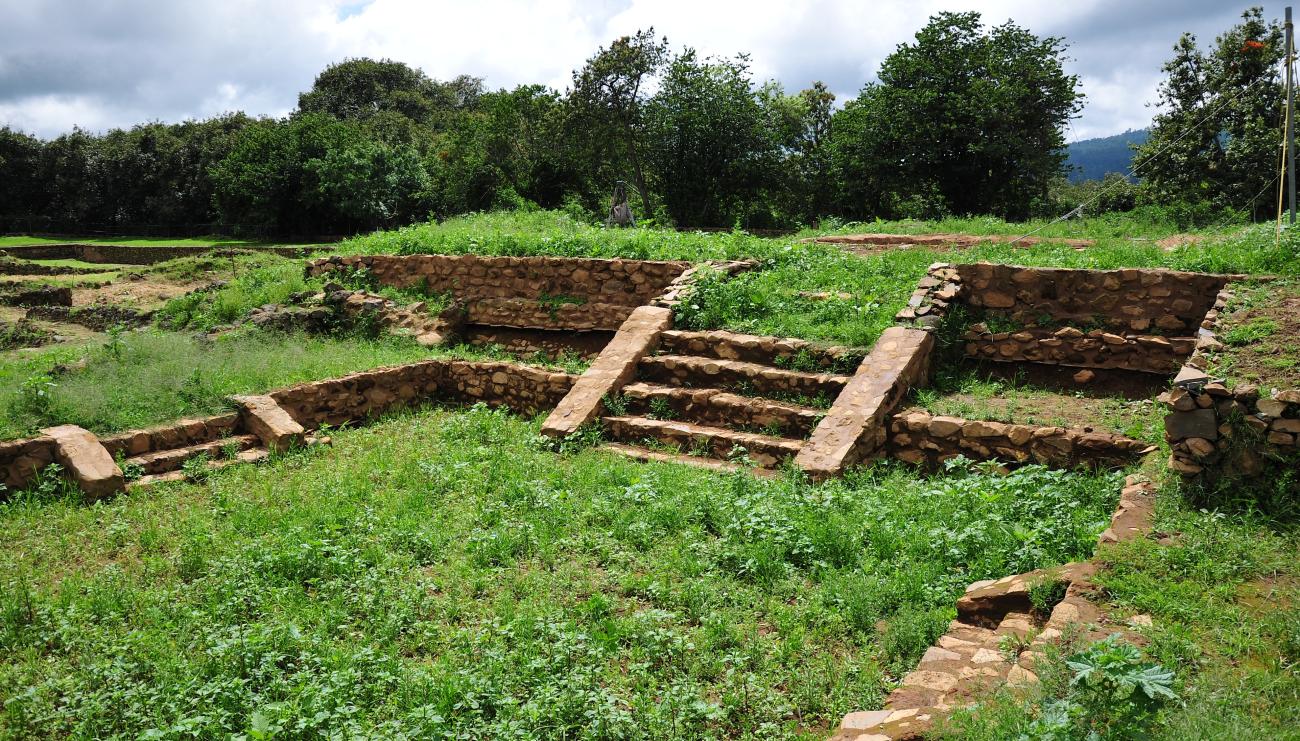
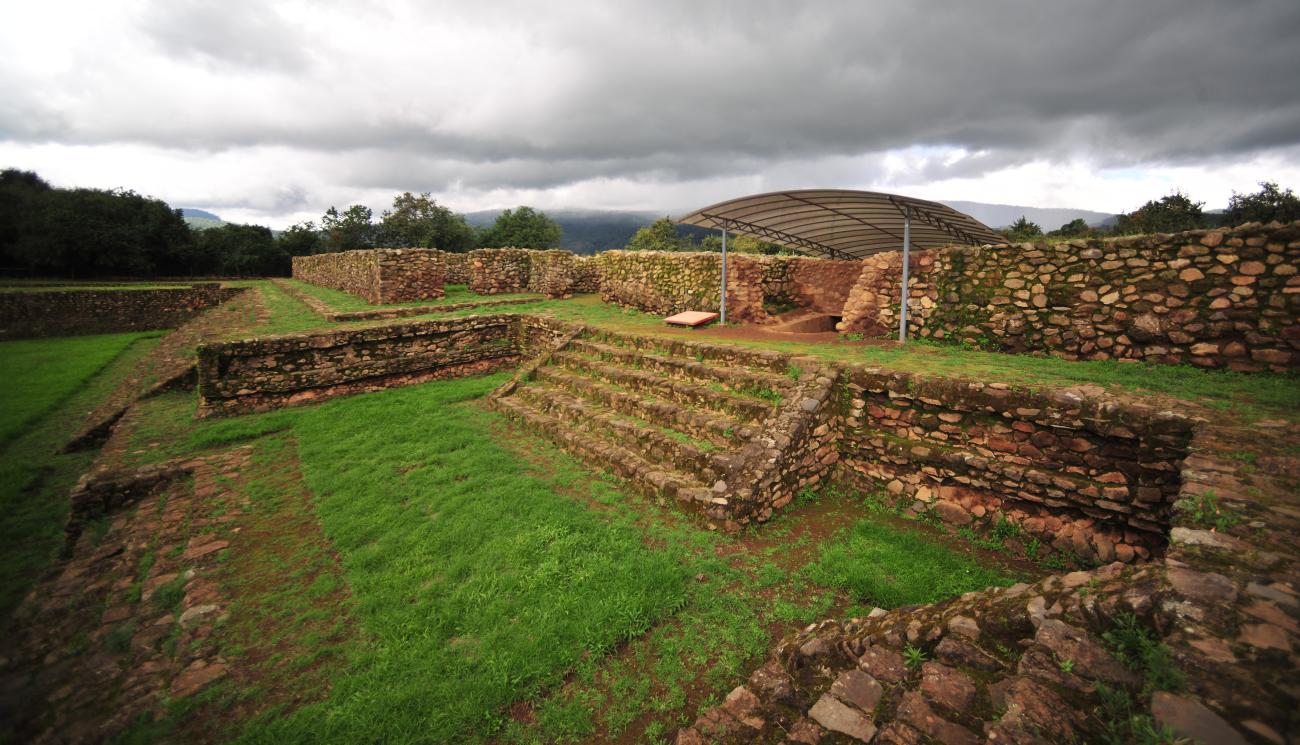
Housing Complex: This area was destined to the rooms of the ruling class. It is located to the north of the religious architectural group; it has a clear Teotihuacan influence, since it has sunken plazas around which the rooms are organized. Sunken Patio 1 is limited on its four sides by sloping walls. It has stairways with alfardas in each one of them; those of the east side lead to a level in which 11 rooms are located and two of them present in their facade talud-tablero.
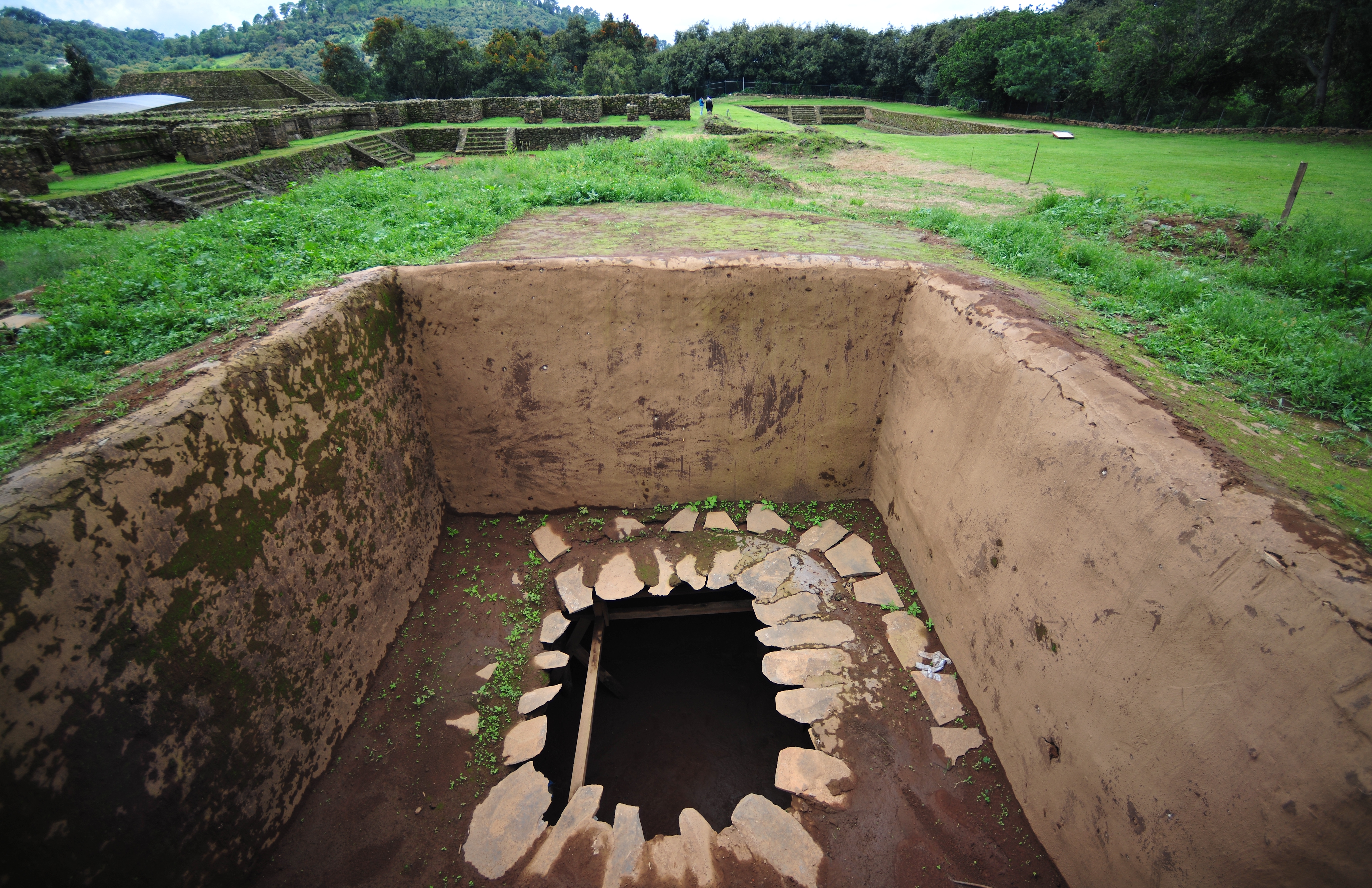
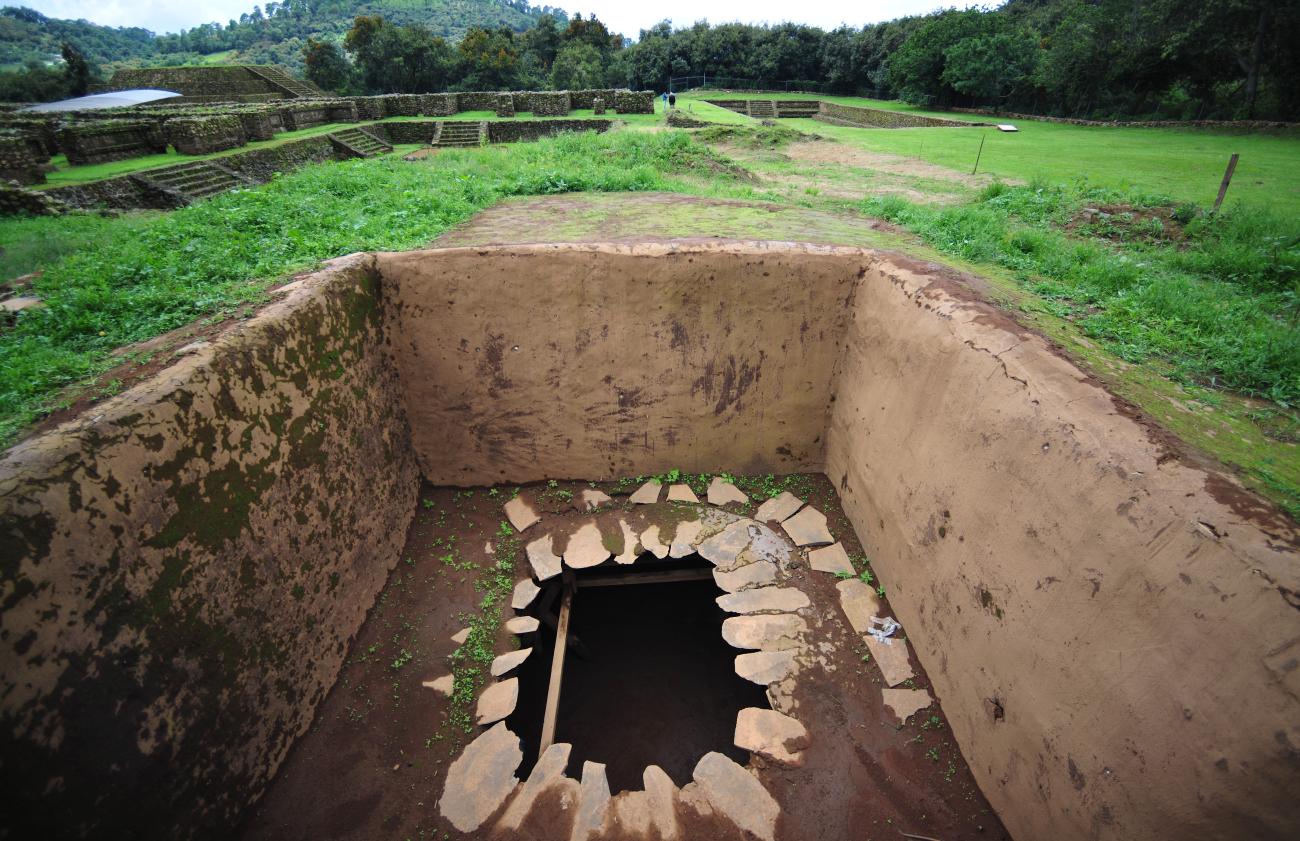
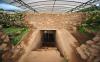
Tomb 1: Tomb 1 was built beneath the rooms at the southeast corner of the Great Platform. It is accessed from the Great Platform by a narrow stairway of six irregular steps constructed of stone and mud. At the end of these, a small corridor leads to the tomb. The entrance to the chamber is rectangular and small (measuring 0.80 m high by 1.05 m wide); five slabs placed vertically protected it; a large slab on lateral walls serves as a lintel to this entrance. The chamber, a room with walls approximately 1.4 m high, measures 3.3 m from north to south and 3.4 m from east to west; on the roof, slabs superimposed one on top of the other horizontally gradually close until they meet in the center, forming a dome. The form of the tomb and its access are similar to those of Opeño (these carved in tepetate), near Jacona.
In the tomb the remains of 15 complete skeletons of men and women were found, in addition to fragments of between 50 and 124 other people. Among these, 32 skulls with their respective offerings were found scattered throughout the chamber, which suggest the reuse of the tomb, the existence of ritual decapitation or perhaps the custom of using trophy skulls. The offerings consisted of more than a hundred ceramic, stone and obsidian objects, as well as bone punches, a trumpet shell, a shell bracelet with blue-green stone inlays, nose rings, earrings and necklaces.
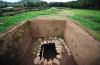
Sunken Courtyard 2 and Tomb 2: During the excavations made in 2011, this small sunken courtyard was found, which has its stairways oriented to the cardinal points. The tradition of building sunken patios is widespread in the states of Guanajuato, Zacatecas and Durango. A tomb built 5 m deep was also found under the mound on the west side. Only one individual was found in the chamber, who died between 25 and 30 years of age. He was placed on a bed of flagstones, lying with his head to the west and his feet to the east. His ornaments were very abundant; several thousand shell and bone beads and blue-green stones were found, as well as a large number of small unworked sea shells.

A longstanding tradition of tomb construction and complex treatment of the dead



Contact
- Dirección del Centro INAHMarco Antonio Rodríguez Espinosamarcoa_rodriguez@inah.gob.mx+52 (443) 313 2650


